Ask two people what daily fantasy is and you may get two products. One builds a nine-player lineup under a salary cap and competes against a field. The other picks whether three or four players will go over or under a stat line. The first is the format DraftKings and FanDuel built the industry on. The second grew quickly from around 2020 and drew most of the regulatory attention since.
How salary-cap contests work
Every player has a price, the lineup has to fit under a cap, players score from a published table, and entries are ranked against each other. The prize pool is the entry fees minus the operator's fee, paid out by a published table. The operator does not care who wins; it earns the fee either way.
How pick'em worked, and how it works now
In its original form, pick'em was a contest against the operator. You chose more or less on several player stat lines, and if all your picks hit, the operator paid a fixed multiple of your entry. There was no field and no prize pool. The operator won when players lost.
Regulators noticed how much that looked like a parlay of player prop bets. Michigan banned the player-vs-house format with an effective date at the end of October 2023. Wyoming ruled it illegal in July 2024, the first state to do so. Florida's Gaming Control Commission sent two rounds of cease-and-desist letters, and PrizePicks and Underdog said they would stop the format there by March 1, 2025. Massachusetts, Missouri, Arkansas, Maine and others took similar action. Colorado's Division of Gaming rules require peer-to-peer play.
In late August 2025 PrizePicks ended its player-vs-house Pick'Em across the US and moved fully to peer-to-peer play. Before the change it had offered the old format in 17 states and DC.
What peer-to-peer pick'em means
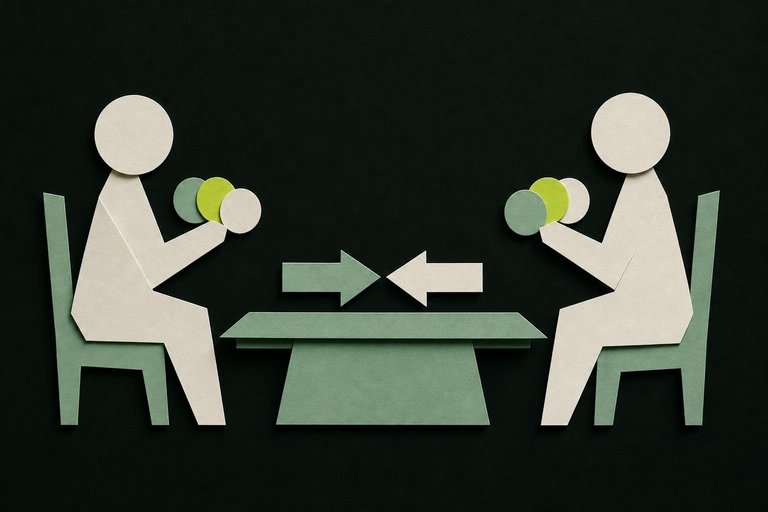
In the peer-to-peer version, you still pick more or less on stat lines, but you compete against other entrants rather than the house. Entries go into a pool, the operator takes a fee, and the best-scoring entries share the prizes. Structurally, that makes pick'em much closer to a salary-cap contest: the operator earns the fee, not the losses.
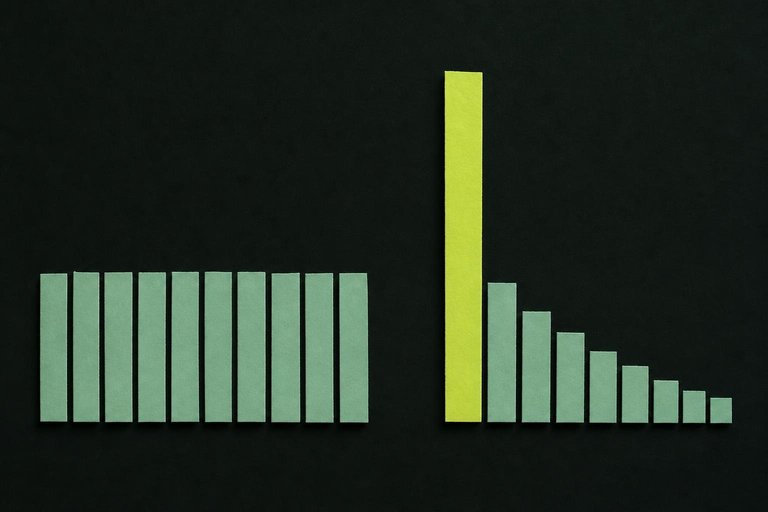
The practical difference for players is in payouts. Under the old format, a winning entry paid a known multiple set in advance. Under peer-to-peer, the payout depends on how many entrants share the prize pool and how they did. A correct entry can pay less than it used to if many others were also right.
Why the distinction matters legally
The federal carve-out for fantasy contests, in the 2006 Unlawful Internet Gambling Enforcement Act, requires prizes set in advance that do not depend on the number of participants, outcomes that reflect skill and accumulated statistics of individual athletes across several events, and no outcome based on a single athlete in a single event. State laws borrow much of that language. A contest where a player bets against the house on one athlete's stat line has trouble fitting those conditions; a contest where players compete for a pool fits them more easily.
Illinois made the line explicit when its first fantasy framework took effect on July 1, 2026: fantasy contests are defined as contests between two or more players, and pick'em is permitted in that form. The Illinois report covers the details.
Where each format is available
Salary-cap DFS is offered in most states; the main exceptions on DraftKings are Hawaii, Idaho, Montana, Nevada, Oregon and Washington. Pick'em availability varies far more, with state-specific bans, peer-to-peer-only rules and operator-by-operator differences. Oregon is a curious case: DraftKings does not offer paid contests there, while pick'em operators have been listed as available. The state-by-state legal guide notes pick'em rules where a state has acted.
Which one to learn first
For someone new to fantasy, salary-cap contests teach more. They involve roster construction, pricing, correlation and field strategy, the concepts in the strategy guide. Pick'em is simpler to enter and harder to reason about, because the stat lines are set by the operator to be close to fifty-fifty. Both carry entry fees, and both should be played on a budget set before the slate.