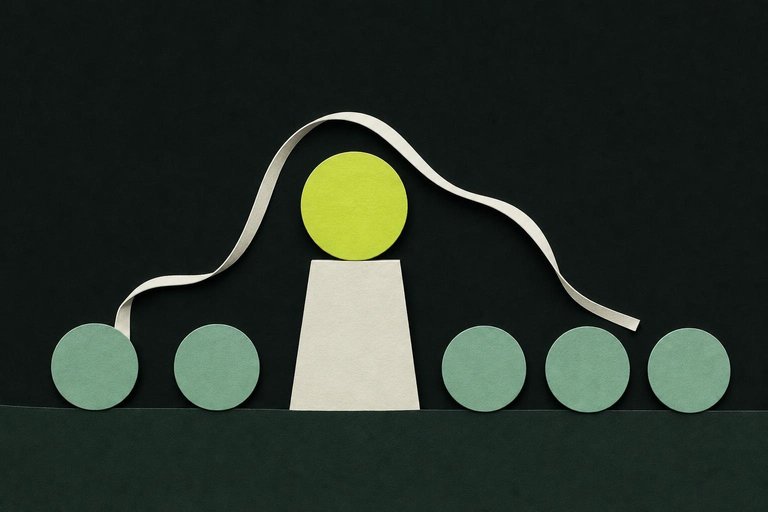
Every paid daily fantasy contest comes with a payout table: a list of finishing positions and the prize for each. Most players glance at the top line, a first prize in the thousands or millions, and move on. The rest of the table says more about whether the contest suits the way you build lineups.
Step one: find the fee
Multiply the entry fee by the maximum number of entries. Then add up the prizes, which most lobbies show as a total. The difference is the operator's fee, often called rake. Operators do not publish a single rake figure across all contests, and it can differ between a head-to-head, a 50/50 and a large tournament, so the only reliable way to know it is to calculate it for the contest in front of you.
Two contests with the same entry fee can have different fees. Over a season, that difference matters more than most strategy tweaks.
Step two: how much of the field gets paid
Divide the number of paid places by the number of entries. A 50/50 pays close to half the field. A double-up pays a bit less than half, each winner receiving twice the entry fee. Large tournaments pay a much smaller share, with prizes rising steeply toward first place.
That share tells you what score you need. In a contest that pays 45% of entries, you need to beat a little over half the field. In one that pays a fifth, you need to beat four out of five lineups just to get your entry fee back, or close to it.
Step three: the shape of the ladder
Flat structures
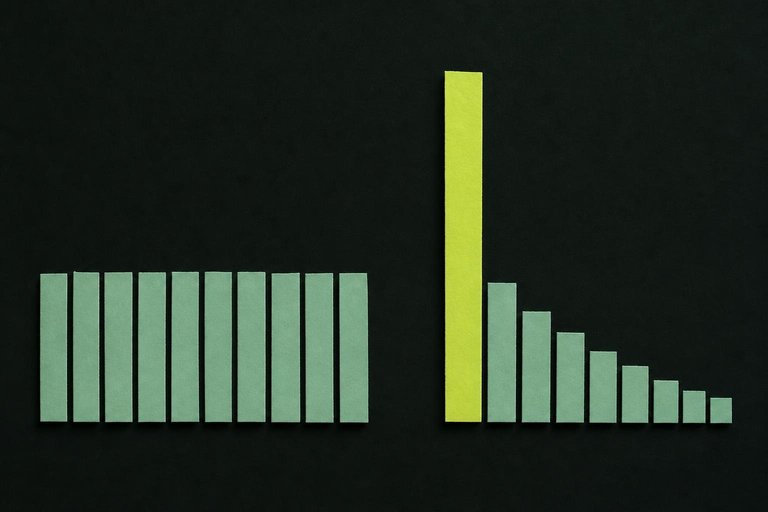
A flat table spreads money across many places, with a modest gap between first and the lowest paid spot. It rewards consistency: a lineup that is reliably above average will cash often. Cash games are the flattest of all.
Top-heavy structures
A top-heavy table puts most of the prize money in the top few places, sometimes a single first prize worth a large share of the pool. It rewards the rare outstanding score. Many entries that cash in a top-heavy contest receive little more than their entry fee back; the real money is concentrated at the very top.
The shape changes the right lineup. In a flat contest, a solid lineup built around the most likely outcomes is usually correct. In a top-heavy contest, you need a lineup that can finish first if things go its way, which is where stacking and ownership come in. The strategy guide covers both.
Entry limits change the picture
A contest that allows 150 entries per person behaves differently from a single-entry contest with the same payout table, because a few players with many lineups can cover a lot of outcomes. In regulated states such as Delaware, Colorado and Mississippi, the law caps a player at 3% of entries or 150, whichever is smaller, in contests with more than 100 entries. The lobby shows each contest's own limit; single-entry and three-entry-max contests are where one lineup competes on the most even terms.
A five-minute habit
Before entering a new type of contest, write down four numbers: entry fee, total entries, total prizes and paid places. From those you get the fee and the share of the field paid. After a few weeks you will know which contests fit your style and which ones you were entering because of the headline prize.
It also makes the bankroll easier to manage. A top-heavy contest will lose most weeks even for a good player, so it deserves a smaller share of the slate budget than a flat one. That is the same logic the beginner guide uses when it suggests starting in cash games.